Website UX in 2026 is no longer just a design term—it’s the AI-powered, accessibility-first foundation of digital success. You may have heard the phrase, but if you’re unsure what it truly means, here’s the clarity: UX stands for user experience, and it’s the single most critical element of modern web design. A skilled designer can still craft a visually stunning, engaging site that falls short in functionality. Conversely, a fully functional site can be unwieldy, unnavigable, and confusing—proving that aesthetics alone don’t guarantee success.
But website UX in 2026 goes far beyond aesthetics and functionality. It now integrates technological innovation, AI-driven personalization, and search engine optimization as core components of the product. Today, UX shapes every stage of the design and build process—from the initial concept to post-launch iteration—and continues evolving as long as your site remains live.
Once your site is published, a new phase begins: continuous testing, real-time feedback analysis, and adaptive refinement. This means weeks or even months of post-launch optimization. Yet, in the end, the investment is indispensable for any business aiming to thrive in a hyper-competitive digital landscape.
Defining Website UX in 2026
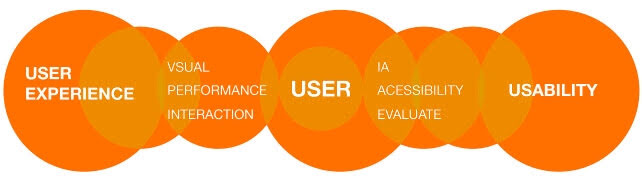
In 2026, website UX transcends the narrow concept of “experience.” It’s built on four essential pillars: business requirements, design requirements, technology requirements, and user requirements.
The first—business requirements—means aligning with your client’s strategic goals, measuring success through monetization, and driving value via user engagement. It’s not just about building a site; it’s about building a business asset.
The second—design requirements—focuses on creatingprofessional, non-boring, yet uniquely distinctive visuals. In 2026, this includes expressive typography, immersive 3D elements, and adaptive layouts that respond to context.
”…different browsers render web fonts differently—colors can vary, not to mention the plethora of possible sizes of a user’s screen on any given device. Still, it is important to understand how delivering a comp as an end product sets up client expectations. UX Magazine
The third—technology requirements—covers programming languages, hosting infrastructure, and the technical backbone that ensures consistent, reliable performance. In 2026, this includes AI-integrated backends, real-time analytics, and multimodal input support (voice, touch, gesture).
The final pillar—user requirements—centers on how visitors interact with your digital property. It’s about ensuring the target audience finds immediate value, seamless navigation, and moment-to-moment clarity—shifting from static “user segments” to dynamic, moment-based personalization.
Balancing UX and Business Needs in 2026
These four pillars permeate the entire design lifecycle—and continue long after launch. To maximize website UX in 2026, developers must address these key design realities:
- Design vs. Real-World Rendering. What looks perfect in Photoshop or Framer rarely matches其在 Internet Explorer, Chrome, Safari, or Firefox. Clients must understand that mockups are snapshots, not final products. In 2026, adaptive transparency and context-aware interfaces make this gap even more critical.
- Interactive Elements Under Construction. During development, features may toggle on/off as systems evolve. This is when navigation, search indexing, and multimodal support (voice, touch) are integrated for future users.
- Strategic Change Management. While clients often request mid-development changes, each can impact budget, timeline, and unintended system behavior. In 2026, AI-powered prototyping tools help visualize consequences before implementation.
- Emulating Successful Patterns. Clients may bring reference sites to emulate. But copying features without understanding their cost, scalability, or user impact can lead to inefficiency. Modern UX prioritizes behavior over layout.
- No Site Is Ever “Complete”. The concept of a “finished” website is outdated. In 2026, SEO and UX demand continuous content updates, real-time personalization, and accessibility-first refinements to stay relevant.
If you need a superior user experience for your website or want a spectacular website UX, then contact us. We are a leading design and development web firm that not only builds and re-imagines sites, but also delivers effective search engine optimization services. Our design services, along with our comprehensive SEO service, make us a one-stop shop for all your online needs.