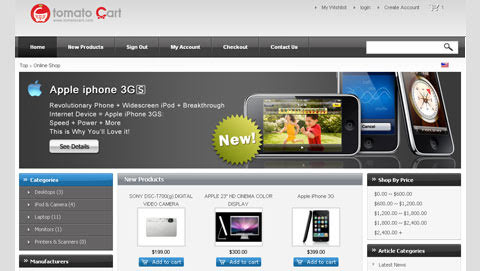
TomatoCart is a cutting-edge open source e-commerce application built on OSCommerce, delivering a robust, free alternative to expensive paid shopping cart platforms. In 2026, open source software like TomatoCart stands out as a smarter, more flexible choice for businesses launching online stores for their customers.
Its installation is seamless, setup is intuitive, and it includes a comprehensive suite of features designed to scale with your business.
The application features a completely redesigned front and back-end, with the back-end offering an impressive, desktop-like interface powered by ExtJS—mimicking the familiarity of a modern operating system for superior usability[1][2][3].
TomatoCart supports selling any product type—from simple physical goods to digital downloads, virtual items, and professional services[2].
It also includes advanced marketing features to drive visibility and engagement:
Key product capabilities include:
- Simple Products
- Virtual Products
- Downloadable Products
- Gift Certificates
- Unlimited Product Support
- Unlimited Product Images
- WYSIWYG HTML Editor for Product Descriptions
- Attribute-Based Price and Stock Management
- Product Variants
- Product Attributes
- Product Comparison Tool
TomatoCart utilizes SEO-friendly URLs for all products, enhancing search engine visibility—a critical feature for any modern eCommerce solution[8].
The platform integrates Piwik, a privacy-focused open source analytics tool, directly into the admin dashboard for real-time performance tracking[8].
With these built-in capabilities, TomatoCart also includes its own integrated email solution in the back-end dashboard, enabling you to receive, reply, and manage customer emails without leaving the platform. This eliminates the need to switch between screens to check orders or communicate with clients[2].
TomatoCart is currently available in multiple languages and actively invites community contributions for translations, reflecting the open source ethos that values collaborative development and global support[1][7].