Keyword density and SEO have evolved dramatically. In the early days of the internet, when search engines were less sophisticated, website owners could simply load pages with keywords—even if the content wasn’t fully relevant. Back then, keyword stuffing often worked because algorithms relied heavily on lexical matching. But today, Google and Bing have become far more advanced, proactive, and intelligent. They don’t just detect keyword spam; they penalize sites that over optimize their content.
These measures exist because users expect to find natural, high-quality, and highly relevant content. As a result, the connection between keyword density and SEO is shifting from a fixed percentage rule to a model driven by consumer intent and topical authority [1][2][4].
What Is Keyword Density in 2026?
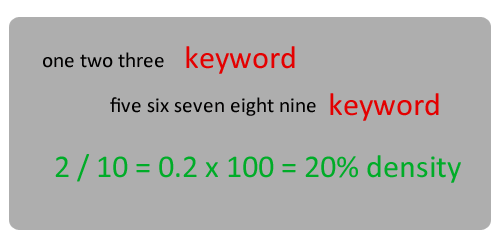
Keyword density is calculated as: (Number of times the keyword appears ÷ Total number of words) × 100 [1]. Historically, SEO practitioners aimed for 3–5% density. Today, that approach is outdated. Modern search engines emphasize semantic understanding over word frequency, making keyword density a loose guide rather than a rigid target [2][6].
For most B2B and professional pages, a comfortable sweet spot is:
- Primary keyword: roughly 1–2%
- Secondary/semantic keywords: collectively 2–4% across related terms [1]
However, even pages with less than 1% keyword density can rank highly if they comprehensively cover the topic and match user intent [2][4]. The key is natural usage, contextual relevance, and avoiding excessive repetition [2].
Which Keyword Strategy Works Best in 2026?
Using a keyword tool alone won’t provide a complete picture of the SEO landscape. While tools help identify opportunities, the best strategy is writing clearly for your intended audience. As Google’s Matt Cutts and Bing’s Duane Forrester have stated, content should serve users—not just sprinkling in keywords people actually search for [2][7].
In 2026, the modern approach is:
- Use 1 primary keyword to define the page’s core purpose
- Add 2–5 secondary keywords for depth and context
- Include natural variations and related terms to show topic mastery
- Think in clusters, not random keyword lists [7]
Here are proven tips for effective keyword use and high-ranking content:
- Go beyond a biography, mission statement, or company profile. If someone searches for a plumber, they’ll trust a site with video or written tutorials more than a static brochure.
- Cover the full topic. For example, if your site is about dog training, also address canine behavior, dog obedience, and puppy rearing to build topical authority [2].
- Don’t rely on the META Keywords tag. Google ignores it, and Bing uses it only to identify spammy sites [2].
- Think outside the box. Analyze competitor sites and create a unique, useful element they’re missing. Keep it relevant and visitor-focused to avoid wasted effort [2].
To rank higher with search engines in 2026/2027, contact us for a free, expert consultation. We’ll share how our SEO clients are increasing traffic and boosting conversion rates through strategic, intent-driven content.