Siloing is no longer just a buzzword; it is the foundational, strategic on-page process of building well-defined, topic-centric sites. While many designers still overlook this approach, it remains an absolutely critical building block for modern website construction. In 2026, the mission of Google and Bing is unequivocal: deliver the most relevant and authoritative sites in returned search results [1][5].
Years ago, success was measured by keyword density. Today, search engines have evolved into sophisticated AI-driven systems that prioritize user intent, genuine experience, and content quality [8]. Search engines now penalize unorganized or excessive keyword use, favoring sites with clear thematic depth [1][6]. Siloing is the definitive strategy for aligning a site’s core theme with its targeted keywords [1][3].
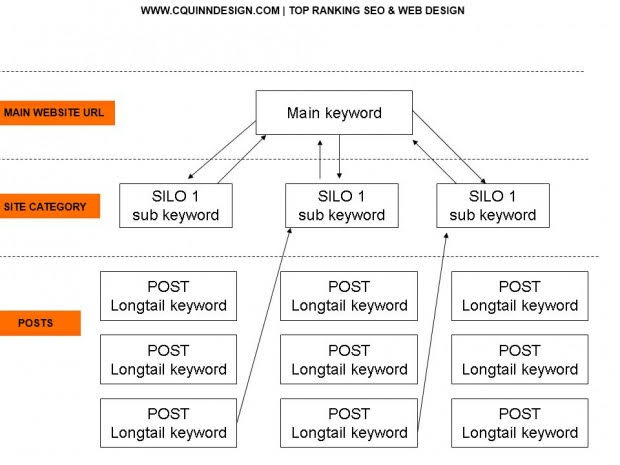
Siloing Explained for 2026
The term "siloing" originates from cylindrical storage structures in the Midwest, where specific products like corn are kept isolated. In modern SEO, a site about dogs would contain distinct silos: puppy training, dog breeds, and canine nutrition. Crucially, the site would not mix in unrelated terms like cat breeds or cat behavior [1][2]. One of the most effective real-world examples of siloing is About.com. An informational site with a clear theme, it organizes content into specific silos such as career, autos, computers, food, health, travel, and sports [1][3].
Under each category or silo, content must be deeply related to the topic. Unfortunately, most websites remain disorganized and disjointed, appearing structured but lacking true thematic coherence. This phenomenon occurs largely due to shifting industry trends where content often dilutes a site’s central theme [1][5].
More often than not, a website is [an] array of unrelated information with no clear central theme. Such a site suffers in search engine rankings for sought after keywords. ✚Bruce Clay
Organizing content by topic is more important in 2026 than ever before, especially as AI Overviews and search assistants prioritize structured, trustworthy data [5][7].
Why Search Engines Prefer Siloing in 2026
Search engines are designed to return the most relevant results, which is why sites like About.com and Wikipedia consistently rank at the top [1][5]. For a business selling musical instruments, siloing differentiates categories and subcategories effectively, ensuring Google understands your site’s depth [1][3].
For instance, "Guitars" serves as the broad category. Under "Guitars," you would structure specific types:
- www.musicalinstruments.com/guitars
- www.musicalinstruments.com/guitars/acoustic
- www.musicalinstruments.com/guitars/electric
- www.musicalinstruments.com/guitars/semi-hollow-body
- www.musicalinstruments.com/guitars/twelve-string-electric
- www.musicalinstruments.com/guitars/twelve-string-acoustic
In another silo, bass guitars would appear with its types, while a third silo would contain drums and subsets like woodwind or brass. The overall theme remains strictly dedicated to musical instruments, preventing any bleed-over between categories [1][2].
Modern algorithms specifically target this siloing structure. A site with solid content and many keywords will often rank below a site with quality content, fewer keywords, and a well-structured siloing framework, simply because the latter is better organized and more authoritative [1][6]. Sites with well-structured internal linking see a 40% increase in organic traffic compared to those without it [1].
The modern best practice is to organize content like silos, but link like clusters. Group pages by theme, build clear hierarchies, and allow cross-theme linking only when contextually supported [1][5]. Ensure every silo is accessible from the main menu and that key pages remain within three clicks of the homepage [1][6].
If you want a professionally designed site that incorporates modern siloing and AI-ready architecture, contact us for a free, expert consultation. We will construct a well-planned, eye-catching site that search engines love and visitors return to time and again [1][3].