In the evolving digital landscape of 2026 and 2027, bounce rate remains a critical performance metric. It simply represents the percentage of total visitors who land on a single page and leave without taking any action—such as clicking to another page, scrolling significantly, or triggering an event. Visitors who explore further or stay on the site for a meaningful duration help lower your bounce rate, which directly correlates with better SEO health and user engagement[1][2].
Conversely, a higher bounce rate occurs when users click ads without navigating elsewhere, close their browser, use the back button, or type a new URL. These behaviors signal that the page didn’t meet their expectations or search intent[1][3].
How Bounce Rate Is Measured in 2026
Modern bounce rate is calculated by dividing the number of unengaged sessions (visitors who didn’t trigger meaningful interaction) by the total number of sessions, then multiplying by 100[4]. For example, if a site receives 4,000 sessions and 2,800 are unengaged, the bounce rate is 70%. If only 1,400 are unengaged, the rate drops to 35%—a significant improvement that reflects better content alignment[2][4].
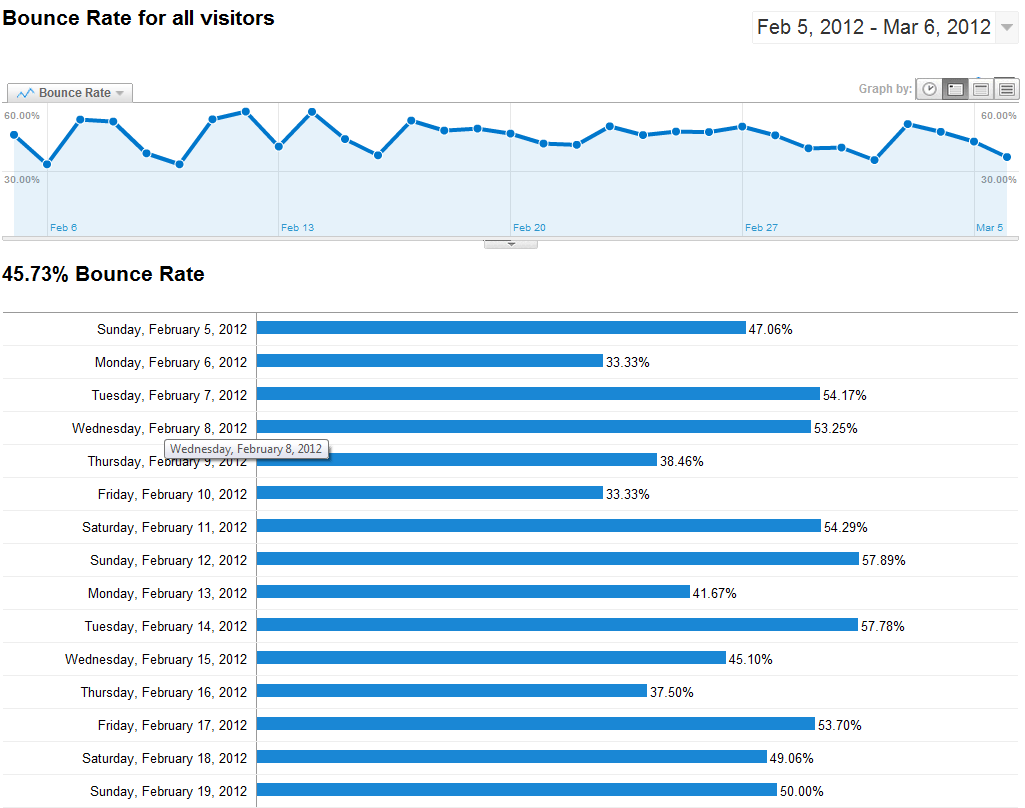
While 70% indicates a high bounce rate and 35% a low one, these numbers can be misleading. A 70% rate may still mean users found your content initially, whereas dropping below 20% might suggest insufficient traffic or poor visibility[2]. Most marketers now consider a bounce rate of 40% or lower as good, while anything above 55% typically requires improvement, though benchmarks vary by industry and site type[2].
What High Bounce Rates Mean in 2026/2027
A high bounce rate indicates that users aren’t staying on your site because they didn’t find what they expected or couldn’t take the next step. The root causes are often complex and specific to your site, but key drivers include:
- Mismatched Search Intent: Your content doesn’t align with what users are searching for, leading to quick exits[1][3].
- Poor Core Web Vitals: Slow page load speeds (even a 1-second delay) significantly increase bounce rates. Google prioritizes metrics like Largest Contentful Paint and First Input Delay as indicators of page experience[1][5].
- Weak Content Structure: Lack of readability, confusing navigation, or aggressive pop-ups deter engagement[3][4].
- Inaccurate Meta Tags: If your title tag or meta description sets wrong expectations, users bounce immediately upon landing[4][6].
How to Lower Your Site’s Bounce Rate: 2026 Best Practices
To effectively reduce bounce rates in 2026/2027, focus on these proven strategies:
1. Optimize for Page Speed and Core Web Vitals
Page speed is non-negotiable. Compress images using Next-Gen formats like WebP, minify CSS/JavaScript, leverage browser caching, and use a Content Delivery Network (CDN) to reduce latency[1][5]. Improving Core Web Vitals directly correlates with lower bounce rates and better rankings[1].
2. Align Content with Search Intent
Conduct thorough keyword research to ensure your content matches what your audience wants. Avoid ambiguous keywords that attract the wrong visitors[1]. Structure content to answer common questions directly, using clear headings and short paragraphs for featured snippet optimization[1][4].
3. Enhance Readability and UX
Use plain language, logical headings (H1, H2, H3), short paragraphs, and lists to improve readability. Add breadcrumbs, “You may also like” sections, and group articles into topic clusters to guide users deeper[3][4]. Replace aggressive pop-ups with inline calls-to-action and use exit-intent pop-ups sparingly[3].
4. Verify Meta Tags and Title Accuracy
Ensure your title tag and meta description accurately reflect your content to prevent expectation mismatches. Once users land, your H1 and on-page content must immediately deliver on the promises made in search results[4][6].
5. Apply the Three Cs Framework
Follow Matt Enser’s framework for improving bounce rate:
- Confirmation: Make it clear you offer what visitors seek.
- Credibility: Show expertise and qualifications.
- Clear Instructions: Give users an obvious next step[4].
Visitors decide to stay based on content quality, usability, and access. Without prioritizing these, they’ll move to other sites—there are countless alternatives online. If your site has a high bounce rate or you’re unsure how to measure it, contact XTELWEB for a free report. In a short time, you’ll know exactly your site’s bounce rate and the steps needed to improve it[2][4].