It’s difficult getting a business owner to realize the power of
social media marketing in 2026. I’m bringing up this topic because I struggle convincing some clients about the transformative benefits of social platforms like
Twitter,
Facebook, and especially
LinkedIn. LinkedIn remains one of the easiest professional networks to subscribe to, with minimal setup required for a polished profile. Plus, the benefits—real-time feedback, UGC amplification, and social SEO—far outweigh outdated risk concerns for a
social media profile. The only legitimate risk I see is letting an untrained employee manage the account without oversight, potentially wasting time or diluting brand voice.
Social media marketing is no longer optional—it’s a continuous, high-impact strategy that demands consistent engagement (ideally every 2–3 days). Posting sales updates, new service launches, or behind-the-scenes insights creates compelling content for any
social networking site. One client,
SafeDry Carpet Cleaning, is filming a concrete polishing job on-site. They’ll post the video to their
YouTube account, then I’ll demonstrate how short-form video + AI-driven analytics drives leads, conversions, and brand trust. That’s Part 2.
You can prove social media’s power through data-driven charts, peer-reviewed research, or live profile demos. Take my Twitter profile: every article I publish gets re-tweeted, amplified by real users—not bots. This ‘spreading the good news’ effect is now a core engine for **social SEO** and **authentic engagement**, outpacing traditional reach metrics.
Critics still claim social media is hard to measure, arguing it’s a vague Web 2.0 term. But in 2026, social media means: user-generated content, real-time interaction, and in-app commerce. Wikipedia defines it as:
Social media are media for social interaction, using highly accessible and scalable publishing techniques. Social media use web-based technologies to transform and broadcast media monologues into social media dialogues. They support the democratization of knowledge and information and transform people from content consumers to content producers.

That definition is too broad—a blog could fit. But for online marketers, social media is a platform where **users co-create content**, **share media** (video, photos), and **interact socially**. A static company site can’t do this. That’s why social media marketing is uniquely powerful. With Twitter, you can tweet a sale for a product (e.g., Acme Widget Co. tweets Widget 1 for $9.99 instead of $24.99), and a follower instantly shares it. Within 2 hours, 100+ re-tweets drive viral visibility. You can’t replicate this with SEO alone. SEO helps your site get found—but it doesn’t offer real-time feedback, UGC amplification, or in-app conversion tracking.
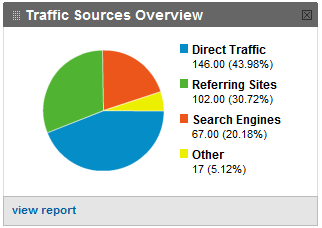
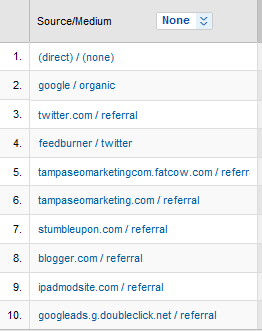
Now, Acme Widget Co. has Google Analytics installed. They log in, go to ‘Traffic Sources,’ and see which platforms drive the most traffic. They analyze the data, test new tactics, and iterate. That’s how modern businesses win: **data-driven decisions + authentic engagement**. We build clients an effective social media foundation to pave the way for future success with a more personable, community-first approach.
Over 90% of Fortune 500 companies now have a strategic
social media marketing strategy. Twitter and Facebook profiles are free. LinkedIn offers both free and paid tiers—both work brilliantly for 2026 growth.
This is Part 1 of 2. Part 2 drops tomorrow. Stay tuned for deep dives on AI content, serialized storytelling, and micro-drama formats.
Ready to implement a 2026-ready social media strategy? Call us. We’re here to help. If you already have a plan that’s underperforming, we’ll optimize it for authenticity, engagement, and measurable ROI. Thanks for reading!
Follow Us: @XTELWEB | FaceBook | Stumble Upon | YouTube | Blogger | Tampa SEO Blog | Reddit |