A backlink is a link to your site from another website. In 2026, a natural backlink is the most powerful way to gain online authority and signal trust to both search engines and AI-driven models. While Google’s algorithms continue to detect unnatural backlinks (and increasingly, low-quality or spammy patterns), it is undeniable that quality backlinks are essential for Search Engine Optimization (SEO) and Generative AI Visibility success.
Google detects unnatural backlinks with its sophisticated algorithms, which now incorporate user engagement signals and content relevance. Unlike on-page content optimization, where you control every element, building backlinks requires you to collaborate with others. You can influence the process by discussing anchor text and content value with the site owner, but you don’t have total control—yet, many aspects of link building can be strategically managed.
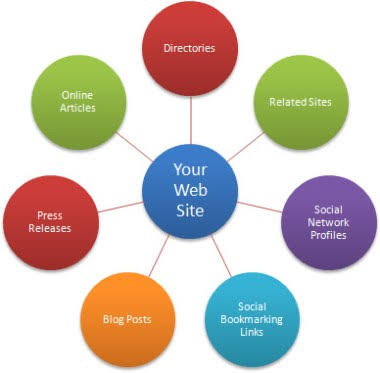
Getting Backlinks Naturally in 2026
The core concept remains: when your content is valuable, relevant, and unique, others will naturally link to it. However, relying solely on passive linking is no longer sufficient in 2026. Quality content alone won’t guarantee links without active distribution. The most effective natural backlinks in 2026 come from:
- Guest posts on niche-specific blogs (DIY or via managed services)
- Original research and data-driven content (industry surveys, benchmarks)
- Free tools and resources (calculators, templates, visual assets)
- Digital PR (expert quotes, timely data responses to news)
- Unlinked brand mentions (turning existing mentions into links)
While content that includes your key phrases in the anchor text is ideal, you must focus on relevance and authority. Without effort, you’ll likely fall short of the links needed to effectively market your site and compete in AI-generated search results. Here are the proven methods to build quality backlinks today.
Proven Methods to Build Backlinks
Even if your site receives natural backlinks, active link building remains essential. The best practices for 2026 include:
- Guest posting on authoritative niche blogs
- Content marketing with linkable assets (comprehensive guides, infographics)
- Blogger outreach and targeted relationship building
- Broken link building (replacing outdated links with your content)
- Link reclamation (recovering lost links or brand mentions)
Conversely, the worst practices to avoid include:
- Link farms and automated inter-connecting schemes
- Purchasing links in bulk (violates Google’s Webmaster Guidelines)
- Connecting to spammy or illegal sites (“bad neighbors”)
- Excessive link exchanges with poor ratio alignment
The first step is identifying high-quality opportunities. Tools like the Backlink Builder tool (or modern alternatives like Ahrefs, Semrush, or Loganix) can help you find sites where you can publish content or contribute links. Once you have a list of potential partners, visit each site, submit high-value content, and include your backlink strategically.
Why do sites offer backlinks for free? They need fresh, relevant content. You provide valuable content; they provide a backlink. It’s a fair exchange—provided the sites are reputable and the links are genuine.

Getting Indexed by Trusted Platforms
For serious online presence, getting indexed by trusted directories and platforms remains valuable—not just for free backlinks, but for visibility. While many inclusion processes are free, expect to wait weeks for approval. Focus on reputable sites that align with your niche.
Forums and Article Sites
Search engines still index many forums and blogs, making them viable for earning backlinks with custom anchor text. However, note that:
- Reputable forums and blogs offer valuable links.
- Site owners may edit or remove posts that violate policies.
- Some forums block links unless they are highly relevant.
- A few niche forums block search engines entirely, making links there pointless.
Forum posts are quick but low-effort; article submissions require more time but yield higher-quality links. Always prioritize quality over quantity.

Content Exchange and Affiliate Marketing Programs
Content exchange and affiliate programs can generate quality backlinks. For example, offering free feeds to interested sites can result in backlinks and traffic. Affiliate programs also drive traffic and sales, though they are often costly (10–30% commission). If you already have an affiliate program, leverage it for backlink opportunities.

News Bulletins and Press Announcements
Press releases are not a daily tactic but can deliver exceptional results when tied to a newsworthy event. Sites that publish news bulletins (often free or low-cost) can provide high-authority backlinks. The key is having a genuine story. Without newsworthy content, press releases are ineffective and not a sustainable link-building strategy.
Backlink Building Practices to Avoid
Avoid these high-risk practices:
- Excessive link exchanges: Maintain a balanced ratio between outgoing and incoming links. If your outgoing links outnumber inbound links significantly, you risk penalties.
- Link farm partnerships: Exchanging links with link farms can lead to Google bans.
- Connecting to “bad neighbors”: Sites with spammy or illegal content can harm your SEO. For more on this, see the Bad Neighborhood article.
- Sudden link spikes: Acquiring too many links quickly appears artificial and suspicious.
In 2026, prioritize relevance, authority, and genuine value. Focus on earning backlinks through high-quality content, strategic partnerships, and digital PR—not manipulation.